




Strategies For The Paper Cup Machine Industry To Address Material And Process Upgrades Demanded By EU Plastic Ban And Other Environmental Policies
May 01, 2026
Leave a message
Strategy for strengthening materials and processes in the paper cup machinery industry to promote EU plastic ban and other environmental policies
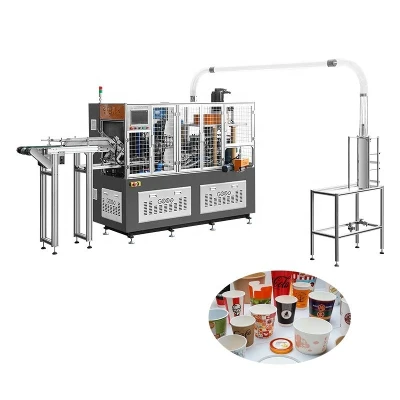
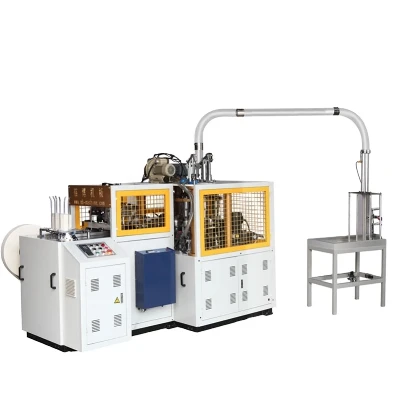
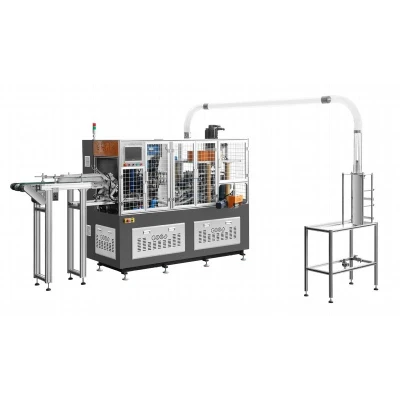
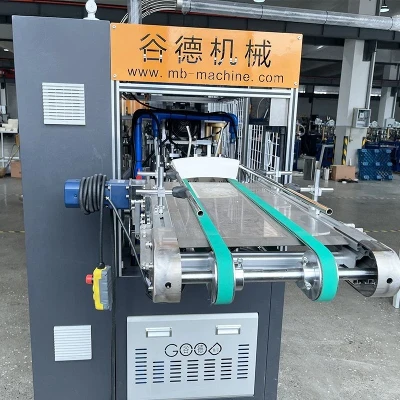
Fueled by growing global environmental awareness and tighter regulations, the paper cup machine industry is undergoing a profound transformation centered on material innovation and process upgrades. The EU's Single Use Plastic Directive, which calls for the phasingout of traditional plastic cup lids by 2025 and bans the use of plastic-coated paper-based products, has compelled manufacturers to accelerate technological iterations to adapt to biodegradable materials and optimise production workflows. This paper analyzes three core paths ofmaterial adaptation, process innovation and intelligent upgrading,through which the industry is responding to environmental rules.
1.Material Adaptation: overcoming Processing Difficulties of Biodegradable Materials
A key aim of the EU plastic ban is to reduce plastic pollution by promoting biodegradable alternatives. However, traditional paper cup machines face two major obstacles in processing polylactic acid PLA coated paper and other novel materials:
Fragility and thermal sensitivity: Thinner materials with different heat resistance are susceptible to damage during molding.
Precision temperature control: overheating will reduce the quality of biodegradable coatings, insufficient temperature will affect the integrity of seals.
Solutions:
Die optimization: Major manufacturers have redesigned mold curvature to minimize material stress by replacing rigid compression with elastic buffering. For example, Ryan Minyuan's nitride alloy die cutting blade extends the die's lifespan from 10,000 cycles to 30,000 cycles while reducing paper breakage rates.
Gradient temperature control: Because of PLA's thermal sensitivity, some firms have developed multistage heating systems that divide the sealing process into three stages: preheating, molding and cooling. Ultrasonic paper cup machines, for example, employ ultrasonic sealing technology that eliminate the use of adhesives, comply with IP67 waterproof standards and have no chemical residues.
Waste recycling systems: Closed-loop recovery modules are being integrated to reduce production scrap. Mingyuan's machines is equipped with automatic碎料 end-of-life finishing (shredding) and recycling system to achieve "feed-mold-waste-feedstock" cycle, each machine reduces solid waste emissions by 40% annually.
2.Process Innovation: Enhancing Efficiency and Environmental Performance
Environmental policies strictly limit energy consumption and emissions during production. Traditional paper cup machine adopts asynchronous motors and mechanical speed regulation, high energy consumption and low precision. These problems are solved by servo control systems and waste heat recovery technology.
Case studies:
Full-servo drive systems: Mingyuan's MYC-180S model employs 14 PLC synchronization servo motors with output of 180-210 cups/minute, which is 30% faster than conventional motors. Its on-demand power matching reduces energy consumption by 15% and complies with EU ERP efficiency standards.
Waste heat recovery: Some manufacturers install heat heat heat exchangers on the exterior of machines to capture excess heat from raw material preheating or workshop heating seals. A German firm's intelligent paper cup machine can save about $12,000 a year in electricity costs through the system, especially in colder regions of Northern Europe.
Rapid diechanging technology: Modular mold and automatic parameters match, support small batch, multi-specification production. Mingyuan's "180-Minute Quick Mold Change System" reduces downtime from four hours to less than 3 hours through standardized interfaces and preset parameter libraries, allowing for flexible switching between 9oz and 12oz cups on the same line.
3.Intelligent Upgrading: Environmental Management throughout the Life Cycle of Buildings
Compliance with environmental policies requires not only equipment performance but also digital tools for transparent and controlled production processes. Integrated AI vision detection, IoT connectivity, and predictive maintenance have become key for industry players.
Implementation Paths:
Artificial intelligence-driven vision checks: Speed cameras and machine learning algorithms can detect defects (e.g., wrinkles, leaks) in real time, boosting yield rates to 99.97%. Global coffee chains have used the technology to reduce customer complaints by 60% and reduce waste of ingredients.
IoT Remote: With 5Gconnected devices and cloud platforms, manufacturers can monitor performance and predict faults in real time. Mingyuan's "cloud manufacturing" system supports remote controlbased on mobile applications, allowing customers to track energy data, order spare parts or perform scheduling maintenance --a 65 percent increase in operational efficiency.
Carbon footprint tracking: A carbon calculation module has been developed to meet the recycling content requirements of EU Packaging and Packaging Waste Regulation. Some manufacturers' machines automatically record raw material consumption, energy use and waste emissions during production and generate visual reports to facilitate customer ISO 14067 carbon certification.
Conclusion: Technology innovation and Policy Synergy shape the future
The EU's plastic ban and similar regulations are reshaping competition in the paper cup machine industry. From material adaptation to process innovation and intelligent upgrading, technological breakthroughs have become the cornerstone of regulatory compliance. Looking ahead, the commercialization of hydrogen fuel-cell drive systems and bio-based composites will propel the industry towards zero carbon emissions and full-lifecycle sustainability. For manufacturers, combining technological innovation with policy guidance is critical to ensuring leadership in the global green transition and promoting sustainable food packaging.
Send Inquiry