




How Can The Energy Consumption And Environmental Performance Of Paper Cup Machines Be Optimized?
Mar 15, 2026
Leave a message
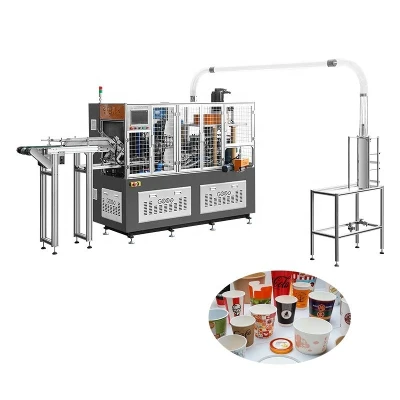
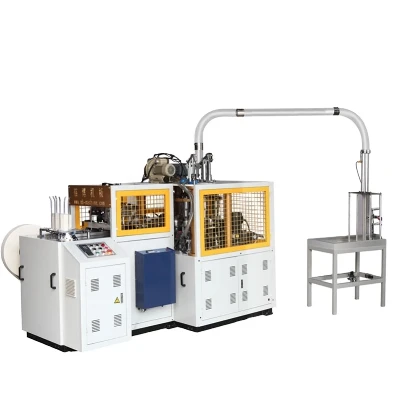
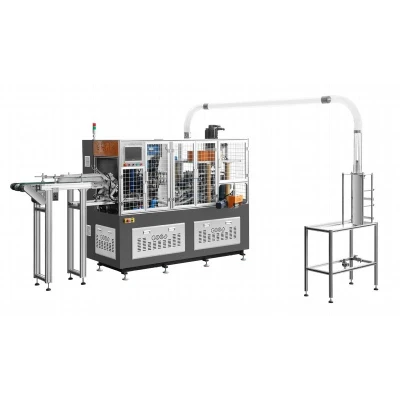
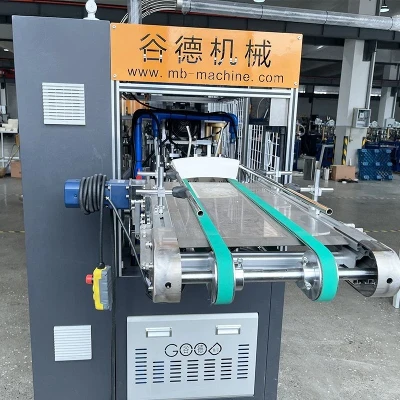
Paper cup machine can reduce energy consumption and improve environmental performance by means of technology upgrading, process optimization and intelligent management. The following are specific directions and examples of optimization:
I. Energy Consumption Optimization: From Hardware Upgrades to Intelligent Management
Servo system replace traditional mechanical systems
How it works: Servo motors consume electricity only when in motion, and automatically enter energy-saving mode when stationary, saving more than more than over 30% than traditional mechanical systems.
Case study: A fully servo-driven paper cup machine adopts 14 servo motors to control each process accurately, and energy consumption is about one-third lower than traditional cup machine. Support the production of double-walled cups, corrugated cups and other composite products to improve equipment utilization.
Heat Recovery Device Recycles Waste Heat
Principle: Recycling the heat generated during the sealing of the cup for drying or preheating raw material, reducing dependence on external energy sources.
Source: An industry report suggests the design can reduce the carbon footprint of the production process in line with global Plastics Reduction Initiative.
Low-Energy Motors and Intelligent Lubrication Systems
Optimization: Adopt energy-saving motor and intelligent lubrication systems, reduce friction loss and reduce energy consumption further.
Results: Some of the equipment met the national secondary energy efficiency standards and optimized energy consumption structure, with product energy consumption ≤0.3 kWh/100 units.
IoT Technology Achieves Preventative Maintenance
Features: real-time monitoring of equipment status by vibration and temperature sensors, prediction of spindle wear or temperature anomalies, early triggering repair orders, to avoid unexpected outage caused by energy waste.
Case study: after the deployment of IoT, the company's capacity utilization increased by approximately 30%, and the market return rate of defective products decreased significantly.
ii. Environmental Performance Optimization: From Material Adaptation to Process Innovation
Adopt Biodegradable Materials to reduce plastic pollution
Technological Breakthroughs:
Ultrasonic Sealing Technology: directly through ultrasonic vibration seal cup mouths, do not need glue, suitable for PLA coated paper and other biodegradable materials, solved the traditional glue seal environmental problems.
Low-Temperature Molding Technology: strictly control heat sealing temperature, prevent cup mouth warp or polylactic acid and other low temperature materials are not completely sealed, reduce the use of traditional polyethylene coating.
Case study: A company's ultrasonic paper cup machine to achieve PLA coated paper stable processing, products in line with EU environmental standards.
Optimized Mold Design to reduce Material Waste
Improvement Directions:
Flexible Buffer embossing paper: replacing traditional rigid embossing paper with elastic buffer paper paper can reduce stress damage and reduce defect rate of biodegradable paper.
Modular molds: support rapid mold changeover, the same machine can be adapted to multiple cup types (e.g., 1.5-22oz), reducing mold changeover frequency and material waste.
Info: Modular design, mold changeover time reduced to less than 180 minutes, customers can process one to two mold changeovers per day.
Waste Recycling and Low-Noise Design
Waste Handling: Reduction of solid waste emissions through the use of automated systems for the collection, sorting and recycling of production waste.
Low noise design: using a food-grade lubrication system and noise reduction structure, production noise below 70 dB, improve workshop environment.
Digital Management Reduces Resource Consumption
Functions: Integrate raw material warehouses, printing equipment, molding machine and quality inspection module through IoT platform, monitor energy consumption fluctuations real time, optimize production plan and reduce energy and raw material waste.
Case study: When the data visualization dashboard went live, energy consumption fluctuations in smart factories decreased by 15% and raw material utilization increased by 10%.
III. Industry Practice: Leading Enterprise Optimization Solutions
Ruian Mingyuan Machinery Co., Ltd.
Technical Path: The all-servo paper cup machine equipped with 14 servo motors to support the production of double-walled and corrugated cups, energy consumption reduced by 30%.
Ultrasonic cup machine and PLA coating paper, no glue sealing, greatly improved environmental performance.
Modular design with support for rapid mold change, reducing changeover time to less than 180 minutes.
Results: Products are sold in 67 countries and regions, and customers include numerous international restaurant chains.
Industry leaders;
Innovation Points: low temperature molding technology was used to solve the problem of PLA material curling cup rims.
Sealed waste heat uses heat recovery device to dry raw materials, reducing energy consumption by 20%. The IoT system allows for remote diagnosis, reducing fault handling time from 4 hours to less than 1 hour.
Data: Equipment MTBF (failure interval) ≥ 500 hours, product failure rate less than 0.5%.
IV. INTRODUCTION INTRODUCTION Future trends: technology-driven sustainable production
Artificial Intelligence Optimizes Production Parameters: Equipment Equipment can automatically adjust temperature, pressure and other parameters to improve energy efficiency and product quality based on raw material characteristics and environmental conditions.
5G Remote Service: 5G technology can diagnose and maintain remote equipment, reduce service costs and minimize energy waste from malfunctions.
End-to-end digital management: records and analyses all process parameters, from raw material warehousing to finished product packaging, to provide data support for environmental certification and carbon footprint traceability.
Send Inquiry