




What Does A Paper Cup Machine Operator Do?
Aug 01, 2025
Leave a message
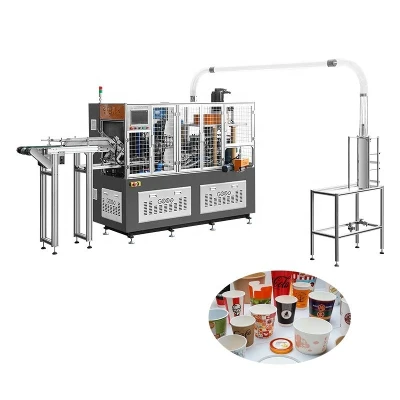
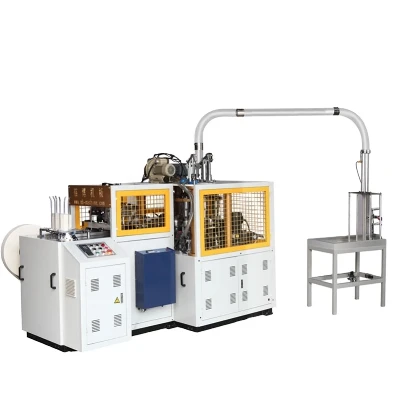
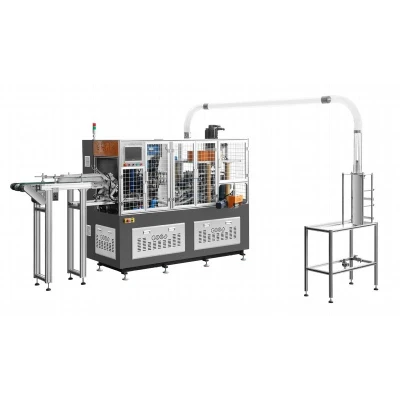
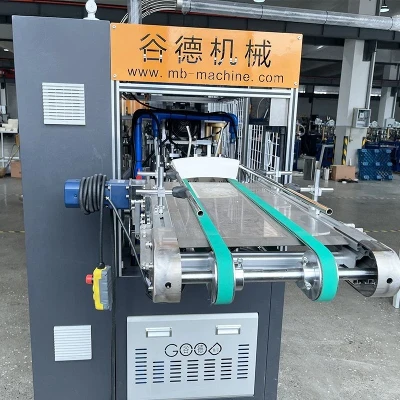
The paper cup machine operator is the core position in the paper cup production process. He is responsible for the operation, monitoring and maintenance of the paper cup production equipment to ensure efficient, stable and safe paper cup production. The main duties and functions of the cup machine operator are as follows:
1.Equipment operation and debugging;
Start and close equipment
According to the production plan, start the paper cup machine on time, complete the preproduction work (such as checking the condition of equipment, lubricating parts, confirming raw material supply, etc.).
After production is complete, close the equipment according to standard requirements, clean up the remaining material and ensure that the equipment is in a safe condition.
Determination and adjustment of parameters
Adjust equipment parameters according to paper cup specifications (e.g. capacity, height, diameter), including paper conveying speed, heating temperature, sealing pressure, cutting position, etc.
Optimize parameter settings, improve production efficiency (e.g., speed of increase) and product quality (e.g., reduce failure rate).
Mold change and mold change
When a paper cups of different specifications is needed, the operator needs to replace the mold (such as cup molding mold, cup stamping mold) and adjust the equipment configuration to ensure a smooth production switching.
2.Production process monitoring
Real-time observation of equipment performance;
Monitor the operation status of the paper cup machine, including key processes such as paper conveying, cup molding, cup bottom sealing, curling and so on, to ensure the normal operation of each link.
Pay attention to abnormal signals such as sound and vibration of equipment to detect potential faults in time.
Quality inspection and control
Take regular samples of paper cups to check appearance (e.g. printing clarity, cup body flatness), size (e.g. height, diameter) and performance (e.g. waterproofing, sealing, etc.).
To sort nonconforming products (such as rework, scrap), analyze the reasons (such as parameter deviation, raw material problem, etc.) and assist in adjusting equipment or process.
Recording production data
Record production quantity, failure rate, equipment running time, etc., to provide the basis for production statistics and efficiency analysis.
3. Equipment maintenance and troubleshooting
Daily maintenance
Clean the surface and interior of the equipment to remove impurities such as paper scraps and oil stains and prevent blockage or wear.
Check lubricant and coolant level and add or replace them in time to ensure proper operation of the equipment lubrication and cooling system.
Regular maintenance
According to the equipment maintenance plan, lubricate, tighten or replace key partssuch as bearings, gears and chains.
Check the connections and functions of electrical systems (e.g. wiring, sensors, controllers, etc.) to ensure the safe operation of the equipment.
Troubleshooting
When a device malfunctions, the operator needs to quickly look for the cause fault phenomenon based on the malfunction (such as an alert, unusual sound, etc.).
Take temporary measures (such as downtime, power outage) to prevent the fault from spreading and notify maintenance personnel or make simple repairs on your own (such as replacing worn-out parts, adjusting parameters).
IV. INTRODUCTION Safety and health management
Compliance with safety regulations
Wear protective equipment (such as gloves and goggles) when operating to prevent mechanical injury or burns.
To ensure that equipment safety protection devices (such as shields, emergency stop buttons, etc.) are in good condition and effective, and to prohibit illegal operations (such as unauthorized removal of protective devices).
Maintaining the production environment
Keep the work area clean and tidy, and clean up debris such as paper scraps and waste products in time to prevent fire or slip accidents accidents.
Observe hygiene standards and ensure that the paper cup production process complies with food safety requirements (e.g. avoid contamination and cross infection).
V. Cooperation and exchange
Cooperation with upstream and downstream positions
Communicate with raw material suppliers to ensure timely supply and quality of raw materials such as paper and PE film.
Coordinate with packaging personnel to ensure that produced paper cups are packaged and stored in a timely manner to avoid backlogs or shortages.
Feedback and improvement suggestions
Feedback to production supervisors or technician on equipment operation, quality problems or improvement suggestions to help optimize production process and equipment performance.
Send Inquiry